Language
en | fr

Get menopause ready

Menopause is the time when a woman’s periods stop, because the ovaries stop producing hormones and releasing eggs for fertilization. The end of periods signals the end of a woman’s reproductive years and is a natural part of the aging process.

Menopause typically occurs between 45 and 55 years of age, although every experience is totally different and can start much earlier for some women. One is said to be ‘post-menopausal’ after a full 12-months of no periods. But the transition into menopause doesn’t happen overnight. It’s a gradual process.

The transition phase is known as perimenopause, and it can be a hormonal rollercoaster to say the least. As your body prepares to close the final chapter on periods, some encounter emotional changes and an all-you-can-eat buffet of physical symptoms, ranging from night sweats and brain fog to libido drops and bladder weakness.1

It’s not all bad though. Every menopause experience is different. Many women have very few or no symptoms, while other women thrive during menopause – rogue beard hairs and all.

If you feel nervous about navigating this natural process, join the club.

The more knowledge you have about this life stage, and the more you know what to expect, the more empowered you’ll feel to take it on.

Because we don’t talk enough about menopause, too many women are caught off guard by it. Read on to find out (almost) everything you need to know about preparing for perimenopause and menopause.

The least I expected about the menopause, was for it to happen. Nobody told me, it wasn't like I was warned.

What Is Perimenopause?

The menopausal transition, also known as perimenopause, encompasses the months and years ahead of menopause. Perimenopause typically starts in your 40s and lasts on average around four years, but we cannot stress enough that every experience is different. It can last several months or – brace yourselves – up to eight years.1

In the lead-up to menopause, the ovaries release less estrogen (the hormone responsible for maintaining the reproductive system). The decline in estrogen results in a variety of signs and symptoms that most women can expect to experience. One notable tell-tale symptom is your periods going haywire, with longer or shorter menstrual cycles.1

As well as period changes, perimenopause can cause hot flushes, night sweats, sleeping problems, vaginal dryness, bladder weakness, fatigue, brain fog, moodiness, full blown rage (who could blame you?), anxiety, migraines, loss of libido, joint aches and pains, and changes to your skin, hair and breasts.

Fortunately, there are several things you can do to prepare and manage perimenopausal symptoms, so they cause minimal disruption to your life.

You start feeling different in sooooo many ways.

Why Preparation Matters

Menopause may bring big changes, but preparation goes a long way, and it’s okay to feel unprepared or underprepared.

Emotional preparation for menopause and simple self-care tips could help give you more control and build your confidence throughout the process.

Tips to Prepare for Menopause and Perimenopause

1. Track Your Periods

For many, period changes are the first sign of perimenopause – your once-regular monthly cycle may become erratic. Whatever phase of life you’re at then, it is always good practice to keep track of your periods.

This becomes especially important as you approach your 40s as your cycle can go rogue, becoming shorter, longer, or generally unpredictable.

To prepare for perimenopause and menopause, try to get into the habit of logging your period, as this can help you identify any emerging bleeding patterns or anomalies in your cycle. There are plenty of menopause-specific period-tracker apps out there to make this process simple.

Some even allow you to track accompanying symptoms and rate their severity, which may be helpful if you need to talk to a doctor later down the line.

2. Stay healthy

Many women lament the loss of their waistline around perimenopause and menopause. Weight gain is a totally normal part of the natural aging process. A decline in estrogen and muscle mass can slow your metabolism down, changing the way your body stores fat.

There’s of course absolutely nothing wrong with a few wobbly bits. Body changes can always feel a little unsettling – we’re creatures of habit after all – but understanding and accepting that this is a natural part of ageing is important.

Since your hormonal landscape is changing, calcium, iron, vitamin D and fiber are nutrients that menopausal woman commonly lack, so make sure to eat a balanced diet packed with vegetables, dairy and unrefined sources of fiber.

You may also wish to take supplements to ensure your body gets the nutrients it needs during the transition but remember to speak to a doctor before you start taking any new supplements, especially if you are taking other medicines too.

Drinking plenty of water will help keep you hydrated and flush any toxins from the body.

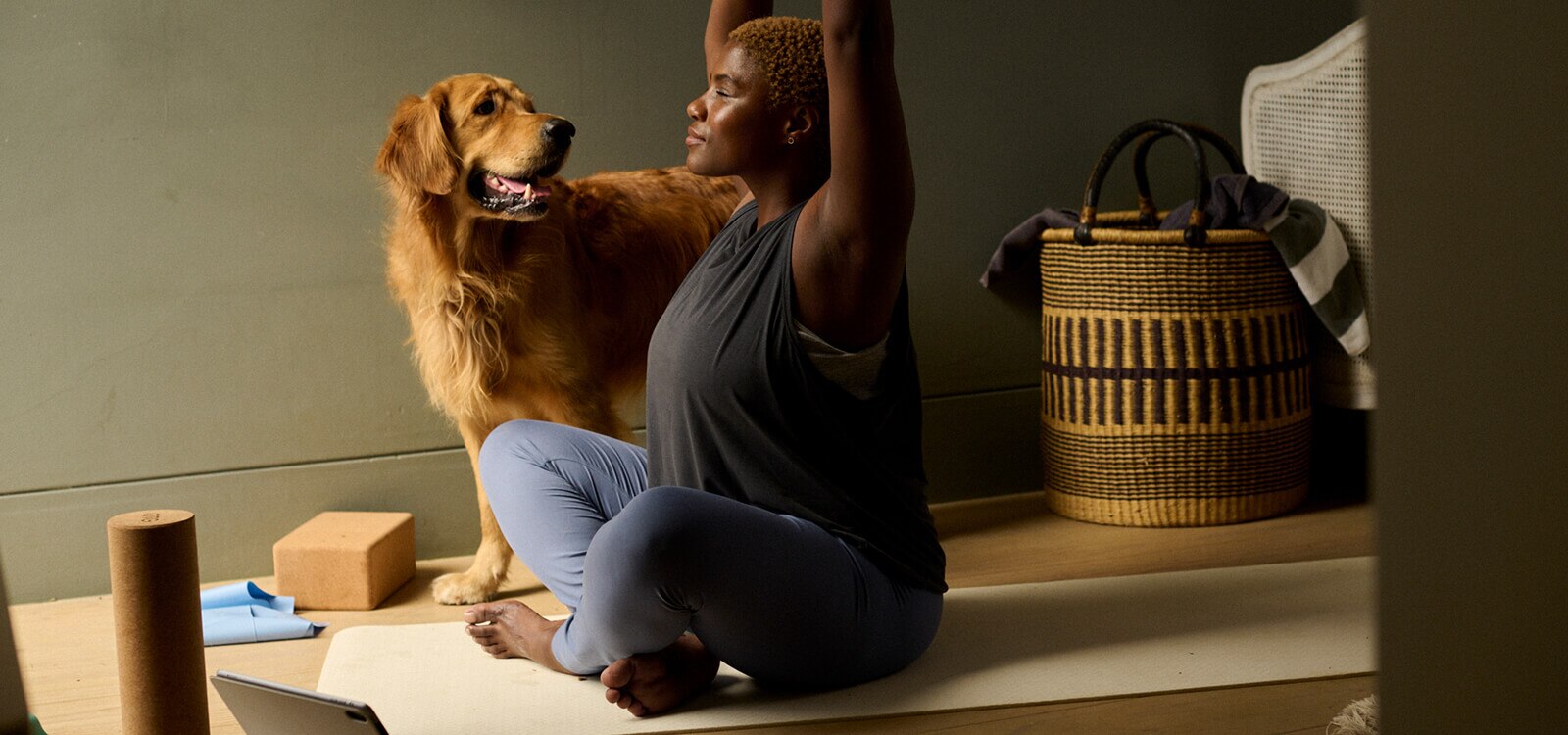
As well as maintaining a balanced diet, and staying hydrated, try to exercise as regularly as you can muster. Low-impact cardio and yoga are thought to alleviate symptoms such as hot flushes.

We’re by no means saying you can 'downward dog’ your way out of this, but it might help a bit.

“I asked my doctor to test me for early dementia”.

When Sandie started to experience memory loss, she had no idea it was related to the menopause. Her advice – write everything down in a notebook and talk to someone about your experience. 
 
Watch Sandie’s story now.

3. Care for Hair, Skin, and Nails During the Physical Changes in Menopause

One thing you can do to prepare for perimenopause and menopause is to take good care of your hair, skin, and nails. Many women battle changes in these areas during menopause.

Hormonal imbalances can cause thinning of hair and the weakening of nails, so try looking into vitamins and supplements to keep hair and nails strong. Rest assured, problems may go away naturally as hormones settle down post-menopause.

Muscle loss and collagen depletion can cause skin to sag, and lines and wrinkles can become more apparent. This, again, is a totally normal part of aging. Don’t panic. You’re getting older, but many report that aging gives them the gift of not caring what people think. And what better gift can there be than that?

As melanin production slows, skin can look paler, and age spots can start to appear. Use SPF to protect skin from sun damage, exfoliate regularly to invigorate the skin and invest in a good quality age-targeted moisturizer to keep your skin hydrated and supple. If anything, it’ll make you feel lovely and pampered.

4. Managing Emotional Changes

Emotional changes are one of the most common – but least talked about – parts of menopause. Declining estrogen levels can make you feel like you’re in a constant state of PMS. You may notice that you experience heightened emotional volatility in the days leading up to your period when your hormones are naturally at their lowest.

You might want to throttle your partner. You may passive-aggressively bash pots and pans around the kitchen on an angry hunt for the cheese grater. You may shriek expletives at your computer when it takes too long to load.

Feelings of irritability, sadness, forgetfulness, and a lack of patience may increase gradually around the time of your period to several days a month, and then more as you get further into menopause.

The good news is there are ways to feel calmer on those tough days. Simple tools like breathing exercises, meditation or talking to a therapist, could make a real difference.2

Want more ways to make the days feel lighter? Here are ways to support your emotional wellbeing through menopause. 

5. Get talking about the menopause

Did you know that right now, around 6 million women are going through menopause worldwide? According to the charity Menopause Support, approximately 1 in 4 women will experience debilitating symptoms, and many post-menopausal women say that they experience a lack of general support and understanding.

To help prepare for perimenopause and menopause, try to get comfortable discussing the topic with friends, family, or close work colleagues.

Perhaps you feel uneasy with the idea of your periods stopping forever, or you might want to know what your company does to support women juggling hot flushes and Excel spreadsheets at work (not a fun combo!).

By openly discussing menopause, you will be helping to break the stigma, and lending support to others facing menopause-related challenges.

Menopause can affect all-round well-being. Learn how menopause affects your mental health.

6. Research Treatment and Product Options

In preparation for perimenopause and menopause, you might like to spend some time researching and considering some of the many treatment options available. Here are some examples of these options:1

  • Hormone Replacement Therapy (HRT): can help balance out hormones.
  • Lubricants or Vaginal Estrogen: can help combat vaginal dryness,
  • Cognitive Behavioral Therapy (CBT): can help you manage mood swings.
  • Incontinence management: A robust Kegel exercise regime, paired with Incontinence pads for women can help manage menopause incontinence-related issues.

When perimenopause and menopause arrive, you don’t have to go through any of it alone. Exploring the world of treatment options ahead of time can help you get a good idea of how to tackle the challenging bits when they arise.

TENA is here to help you navigate your menopause journey, including practical advice for menopausal incontinence. If you feel that you need more support with preparing for perimenopause and menopause, don’t hesitate to contact a healthcare professional.

We all know someone going through menopause. And yet we so rarely talk about it. Why not ask someone in your life how they coped with menopause?

Everyone has their own tips and tricks for getting through it, from putting their pillow in the freezer to treating yourself to a midday siesta.

None of us should be caught off guard by menopause simply because we don’t talk about it enough. The better prepared you are, the easier it will be. Promise.

Building Your Support Network 

Menopause can feel like a lonely time with all the emotions it stirs up. Yet, having a support system, whether it's friends, family, a support group, or professionals, can make the journey feel lighter.2

They can help through bad days, even if it's just by sitting next to you quietly. You don't have to navigate the boat alone; support is available.

Key Takeaways

  • Menopause is a natural stage in every woman’s life, though symptoms may affect you mentally and physically.2
  • The good news is that preparation could make this stage feel more manageable.3
  • Lifestyle changes, medical guidance, and a strong support system all play a role.4
  • When you need extra support, TENA is here with practical help for bladder-related menopause changes.

FAQs

When should I start preparing for menopause?

It’s a good idea to start preparing for menopause in your 40s, as your periods may become less predictable around this time.3 Tracking your cycles and symptoms could help you notice changes early and feel more prepared for the transition.

What lifestyle changes can ease perimenopause symptoms?

Here are some lifestyle changes that may ease your transition through perimenopause:3

  • Stay active with regular exercise; yoga or Pilates are great options.
  • Include foods rich in calcium and vitamin D in your diet, along with plenty of vegetables and legumes.
  • Practice Kegels regularly to help support your pelvic health.

What treatments are available for menopause symptoms?

Menopause is natural, but if your symptoms feel overwhelming, there are treatments your doctor can recommend to help you, like:4

  • Hormone therapy
  • Vaginal estrogen
  • Certain medications for specific symptoms

It’s always a good idea to talk to your doctor before starting any treatment to find what’s best for you.

Further reading